

Main Content
Introduction
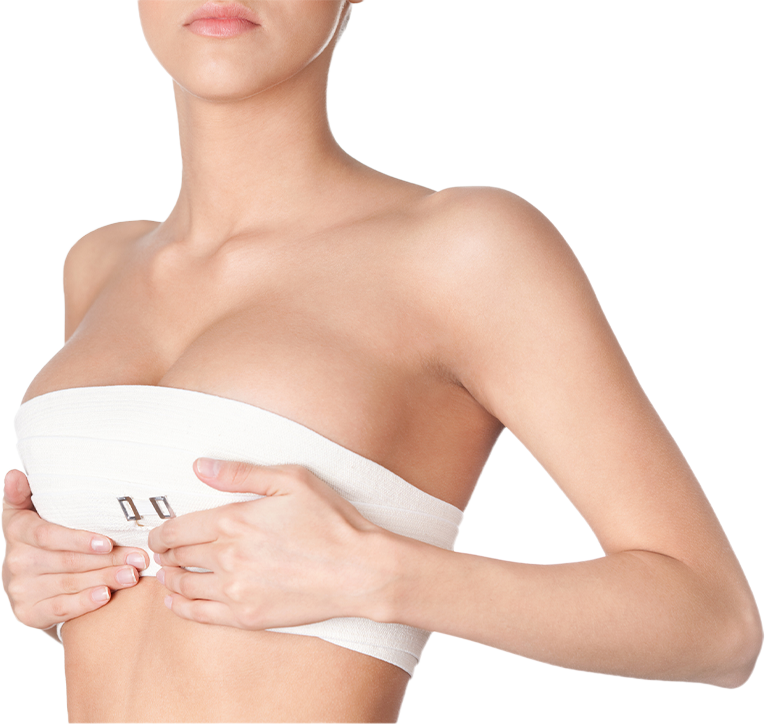
Fat transfer to the breast—also called fat grafting breast augmentation or natural breast augmentation—is a surgical technique that enhances breast volume using your own purified fat instead of implants. For the right candidate, it can create a subtle, natural-looking change in breast fullness while also contouring another area of the body through liposuction.
Kavali Plastic Surgery and Skin Renewal Center is led by board-certified plastic surgeon Dr. Carmen Kavali. Patients across Atlanta, Buckhead, and Sandy Springs often ask about fat transfer because they want a more natural approach, they prefer to avoid implants, or they want refinement after previous breast surgery. The best candidates understand that fat transfer typically provides a modest increase in volume and that outcomes depend on individual anatomy and how much of the transferred fat survives long term. Individual results vary.
Who Is Right for Fat Transfer to the Breast?
Fat transfer to the breast may be a good option if you want a natural-looking enhancement and you have enough donor fat to harvest safely. You may be a good candidate if you:
- Want a subtle increase in breast volume (often about a half to one cup size, depending on anatomy)
- Prefer to avoid breast implants
- Have adequate donor fat in areas such as the abdomen, flanks, hips, back, or thighs
- Want improved contour in a donor area through liposuction
- Have generally good health and stable weight
Fat transfer may be less ideal if you want a dramatic size increase, if you are very lean with limited donor fat, or if you have significant breast sagging that would be better addressed with a lift. In those situations, Dr. Kavali may discuss alternatives such as breast augmentation with implants or a combined approach like breast augmentation with lift.
Smoking and nicotine use can negatively affect healing and fat survival. If you use nicotine, your team will discuss a medically appropriate stop period before and after surgery.
What to Expect During Your Consultation
Your consultation is focused on education, safety, and realistic planning. You’ll begin with a review of your medical history, medications, prior surgeries, and any relevant breast imaging history. Photographs may be taken for surgical planning.
Dr. Kavali will evaluate:
- Your breast shape, base width, tissue characteristics, and skin quality
- Nipple position and degree of sagging
- Potential donor areas and how much fat can be harvested safely
- Whether your goals match what fat transfer can predictably achieve
One of the most important parts of the consultation is expectation-setting. Fat transfer can create beautiful, natural-looking results, but it is not as predictable as implants for size change. A portion of transferred fat may not survive, and volume retention can vary between patients. Dr. Kavali will discuss what is realistic for your anatomy and how to plan a result that still looks proportional even if retention is less than expected.
Combining Fat Transfer with Other Procedures: Why One Surgery?
Fat transfer to the breast is often performed as a standalone “natural breast augmentation.” However, it can also be combined with other procedures when appropriate and safe, including:
- Liposuction contouring: Because fat must be harvested, many patients appreciate that donor areas may look more sculpted afterward.
- Breast lift (mastopexy): If the primary concern is sagging, a lift may be needed to reposition and reshape the breast. Fat transfer can sometimes be used to add subtle volume at the same time, depending on anatomy.
- Revision or refinement: Fat transfer may be used to improve contour irregularities or to soften transitions after certain breast surgeries (case-dependent).
Not every patient is a candidate for combined surgery. The safest plan depends on your overall health, tissue quality, degree of lift needed, and recovery considerations.
Four Key Decisions for Your Fat Transfer to Breast Procedure
1) Your Goal Volume: “Subtle Enhancement” vs. “Noticeable Change”
Fat transfer is best for patients who want a natural-looking enhancement rather than a major size increase. Many patients can expect a modest improvement in fullness—often described as around a half to one cup size, though this varies significantly based on donor fat availability, starting breast volume, and how much fat survives long term. Individual results vary.
If your goal is a larger or more predictable size increase, implants may be a better fit. Dr. Kavali will explain options so you can choose the approach that aligns with your goals.
2) Donor Area Selection
Common donor areas include the abdomen, flanks, lower back, hips, or thighs. Donor selection depends on where you carry excess fat and where contouring could benefit your silhouette.
It’s important to understand that fat transfer is not “weight loss surgery.” Liposuction can contour, but it does not replace healthy lifestyle habits. A stable weight helps maintain results over time.
3) Realistic Retention Planning
Not all transferred fat survives. The body may reabsorb a portion of the grafted fat during healing. Retention varies by individual biology, technique, and postoperative care. Dr. Kavali will plan your procedure with fat viability in mind and discuss whether your goals might require more than one session.
4) Whether a Lift Is Needed
Fat transfer adds volume but does not reliably reposition the nipple or correct moderate-to-severe sagging. If sagging is a key concern, a breast lift may be recommended. If you need both volume and lift, Dr. Kavali may discuss a lift-focused plan or an alternative approach based on what will create the most balanced outcome.
The Surgical Procedure: Step by Step
Fat transfer to the breast generally includes three core phases: harvesting, processing, and reinjection. While technique is individualized, a typical procedure includes:
1. Anesthesia and preparation: The procedure is typically performed under anesthesia in an accredited surgical setting.
2. Fat harvesting: Fat is removed via gentle liposuction from donor areas. The goal is to harvest viable fat while maintaining smooth donor contours.
3. Fat purification: The harvested fat is processed to separate healthy fat cells from excess fluid and impurities.
4. Strategic fat placement: Purified fat is carefully injected into the breast in small amounts at varying depths to build smooth volume and support fat survival.
5. Closure and dressing: Small liposuction access sites are dressed, and you are placed in appropriate compression garments for donor areas.
The procedure length varies based on how many areas are treated and the amount of fat transferred. Your plan will outline expected surgical time and recovery details.
Immediate Post-Operative Care
Most patients go home the same day with a responsible adult. You can expect some swelling and soreness in both donor areas and the breasts. Bruising is common after liposuction and typically fades over time.
Early aftercare generally includes:
- Compression garments for the donor areas
- Activity restrictions and lifting limits
- Incision care guidance for liposuction sites
- Medication instructions and safety monitoring
Because the goal is fat survival, patients are often advised to avoid direct pressure on the breasts early in recovery. Your team will provide specific guidance based on your plan and technique.
Recovery Timeline & Aftercare
Recovery varies depending on the extent of liposuction and whether fat transfer is combined with other procedures. Many patients experience the most swelling and soreness in the first 1–2 weeks, especially in donor areas.
- Week 1: Swelling and bruising are most noticeable; walking is encouraged.
- Weeks 2–3: Many patients return to desk work and light routines; donor-area soreness improves.
- Weeks 4–6: Gradual return to exercise as cleared; swelling continues to decrease.
- Months 2–3: Results continue refining as the body stabilizes fat retention and swelling resolves.
It’s normal for breasts to look fuller early on due to swelling. The “final” outcome becomes clearer over time as swelling resolves and fat retention stabilizes.
Potential Risks & Considerations
All surgery involves risk. Fat transfer to the breast includes considerations related to both liposuction and fat grafting. Risks may include:
- Bleeding, infection, or delayed healing
- Contour irregularities in donor areas
- Asymmetry or uneven volume retention
- Fat necrosis (firm areas or lumps) and oil cysts
- Calcifications that may be seen on imaging (important to disclose to your radiology team)
- Need for additional fat transfer sessions for desired volume
Dr. Kavali will explain safety considerations specific to your medical history and anatomy, and she will provide guidelines for breast imaging and follow-up if needed. Individual results vary, and no outcome can be guaranteed.
Lifestyle Impact & Long-Term Maintenance
Many patients like fat transfer because results can feel very natural and avoid the long-term considerations of implants. However, fat cells respond to changes in weight. Significant weight gain or loss may change breast volume over time.
To support long-term results, patients typically benefit from:
- Maintaining a stable weight
- Following post-op instructions carefully, especially regarding pressure avoidance and compression garments
- Staying consistent with routine breast health screening
Some patients choose a second fat transfer session if they want more volume after initial retention stabilizes. Whether that is appropriate depends on donor fat availability and your anatomy.
Choosing the Right Surgeon & Facility
Fat transfer to the breast requires aesthetic judgment and technical precision. The quality of fat harvesting, purification, and reinjection influences smoothness, symmetry, and retention. Choosing a board-certified plastic surgeon and an accredited surgical setting matters for both safety and outcomes.
Kavali Plastic Surgery and Skin Renewal Center is led by board-certified plastic surgeon Dr. Carmen Kavali. You can review physician background and affiliations through resources such as the American Board of Plastic Surgery and Dr. Kavali’s Northside provider profile.
Many patients also review photo galleries to understand a surgeon’s aesthetic style. You may explore the practice gallery here: Before & After Photos. Individual results vary.
Cost & Financing Options
Fat transfer to the breast pricing in the Atlanta area can vary based on the extent of liposuction, the number of donor areas, facility and anesthesia fees, and whether additional procedures (like a lift) are included. Many patients fall within a general range of approximately $8,000 to $16,000, though some cases may be lower or higher depending on complexity.
Costs often include:
- Surgeon’s fee
- Anesthesia
- Accredited facility fees
- Standard post-operative visits
Final pricing is determined during consultation after your surgical plan is finalized. Financing options may be available for qualified patients. Learn more here: patient financing.
Next Steps: Scheduling Your Consultation
If you’re interested in fat transfer to the breast in Atlanta, Buckhead, or Sandy Springs, the next step is a personalized consultation to determine candidacy and plan donor areas, expected volume change, and recovery logistics.
To get started, request an appointment through the contact page or call the office. If you also want to compare implants versus fat transfer, you may want to review: breast augmentation.
Frequently Asked Questions
How much bigger will I be after fat transfer to the breast?
Many patients experience a modest increase—often described as about a half to one cup size—but results vary widely. Volume depends on donor fat availability, breast anatomy, and how much transferred fat survives long term.
How long does fat transfer last?
Any fat that successfully establishes a blood supply and survives becomes living tissue and can be long-lasting. However, the body may reabsorb some of the transferred fat during healing. Long-term volume can also change with weight fluctuations.
Is fat transfer safer than implants?
Both approaches have risks and benefits. Fat transfer avoids implant-related considerations but introduces variables like fat retention and the possibility of fat necrosis. The safest option depends on your goals, anatomy, and medical history—this is what your consultation is designed to determine.
Will fat transfer lift my breasts?
Fat transfer adds volume but does not reliably correct sagging or reposition the nipple. If sagging is significant, a lift may be recommended for a more elevated shape.
Can fat transfer be repeated?
Yes, some patients choose additional sessions if they want more volume after initial retention stabilizes. This depends on donor fat availability and whether additional surgery is appropriate for your goals and health.
Will I have scars?
Fat transfer uses small liposuction access sites that typically heal as tiny scars. While scars are usually minimal, individual healing varies and scar appearance can differ based on skin type and aftercare.
Will fat transfer affect mammograms?
Fat transfer can lead to changes seen on imaging, such as calcifications or fat necrosis in some cases. It’s important to tell your radiology provider about your procedure history so imaging can be interpreted appropriately.